For independent restaurants in Australia

How Soulid Works in a Live Restaurant.

A customer rings your existing number. Soulid answers in under three seconds, handles the order or booking, confirms the detail to the customer, fires the alerts, and logs the whole thing in the dashboard. Here's what sits behind each of those moments.

The flow

From call to confirmation in one flow.

Five moments sit between a ringing phone and a happy customer. Soulid runs all of them.

  1. 1

    Call arrives

    Customer dials your existing number. The call reaches Soulid through the existing telco route — no new number for the customer to learn.

  2. 2

    Soulid answers

    In under three seconds, with the Australian-accent voice and the greeting you configured. Caller disclosure is built into the greeting.

  3. 3

    Understanding

    Soulid identifies intent (order, booking, overflow-table request, or a configured question), asks for the detail it needs, and handles follow-ups naturally.

  4. 4

    Action

    Soulid reads back the detail, captures the order or books the table, and triggers the right staff alerts. Complex cases escalate to a human.

  5. 5

    Confirmation

    Customer gets an SMS. The kitchen gets a printed ticket. The manager gets a WhatsApp alert. The dashboard updates live.

What happens on the call

What Soulid handles, grouped by outcome.

Every task maps to one of the three pillars: revenue capture, operational automation, or real-time visibility.

Revenue capture

Turns calls into confirmed orders.

  • Answers every inbound call, 24/7, under three seconds
  • Takes full pickup orders — multi-item, customisations, totals
  • Captures after-hours bookings the voicemail queue used to swallow
  • Reads back the detail before hanging up so nothing is guessed
Operational automation

Handles the messy bits so the team doesn't.

  • Books reservations against your real availability rules
  • Runs overflow-queue flows when the dining room is full
  • Answers configured venue questions — hours, parking, allergen handling
  • Prints kitchen tickets and fires WhatsApp alerts automatically
Real-time visibility

Logs everything so the owner isn't guessing.

  • Every call logged with transcript and, where enabled, audio
  • Live dashboard of calls answered, escalated, and missed
  • Orders and reservations tied to revenue impact per shift
  • End-of-shift WhatsApp summary so the owner reads it, not reconstructs it

Voice and accent

Sounds like it belongs in your venue.

The voice Soulid uses on the phone is selected at onboarding. Australian English is the default for Australian venues — trained on Australian speech patterns, comfortable with the way customers actually order here, and confident with place names from Parramatta to Prahran to Paddington.

If your customer base benefits from a different voice (New Zealand, Canadian, or North American English), that's available too. The interface and all written copy stay Australian English regardless.

Soulid isn't designed to pretend to be human. It's designed to sound natural enough that customers focus on their order, not on the fact that they're talking to a system. Where customers want a person, the flow hands off — see escalation below.

Staff member on a restaurant phone during a busy service, with kitchen activity behind them

What your team sees

Less screen-babysitting, more cooking and serving.

The point of Soulid isn't another dashboard to watch. It's fewer manual handoffs — so the team can stay on the floor and in the kitchen.

Instant alerts

The right staff member gets a WhatsApp alert the moment an order or booking comes in — not five minutes later when someone checks the phone at the pass.

Kitchen-ready workflow

Tickets land on your existing receipt printer, formatted for the kitchen. Nobody is rewriting a handwritten docket from a bad phone line.

Less interruption during service

Phone duty isn't a person anymore. Front-of-house stays with tables. The chef stays on the line. The manager stops being the phone's default fallback.

Manager dashboard — screenshot pending approval

A live manager dashboard view sits here showing call activity, order log, reservation calendar, and revenue captured. Final screenshot is blocked pending asset approval. The dashboard is live today for every pilot venue.

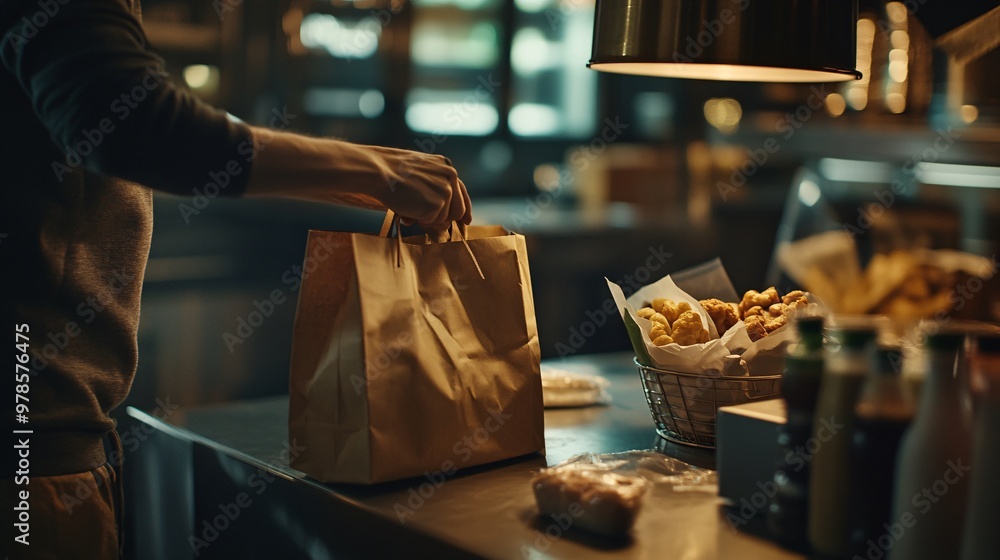
Pickup counter with bagged orders ready for collection in an Australian neighbourhood restaurant

What the owner sees

The night, summarised — before you leave the venue.

Live dashboard on your phone

Open a short dashboard view between covers and see calls answered, orders in, reservations confirmed, and revenue captured for the shift in progress.

WhatsApp confirmations to customers

Every order and booking gets an SMS. Customers waiting for a table get a text update when it's ready. Less "is my order coming?" for the team to answer.

End-of-shift summary

A short WhatsApp lands at close: total calls handled, orders booked, revenue recovered, missed-call patterns worth knowing. You read it, not reconstruct it.

Escalation and human fallback

When a human needs to step in, the call transfers cleanly.

Soulid handles the routine. It does not try to handle everything. The flow is built so customers never dead-end.

Complex or unusual requests

Large group bookings with specific requirements, function-room enquiries, or anything outside the configured scope transfer to a staff member you nominate.

Frustrated callers

Soulid recognises when a caller is getting irritated or the conversation isn't progressing, and hands off to a human before the customer gives up.

Outside operating hours

If a call arrives outside the venue's hours and no after-hours coverage is configured, Soulid politely ends the call with the venue's hours and an SMS callback option.

Existing order changes

Once an order is placed, changes go to a human so nothing moves without the team's awareness. Cart updates before the order is finalised are automatic.

Setup and onboarding

Live in about seven to ten days.

No tech overhaul, no new behaviour to teach customers. The bulk of setup is telling us how your venue runs today.

1

Menu and rules

Share your menu, operating hours, reservation rules, and staff notification contacts. We configure Soulid around how the venue already runs.

2

Your number and workflow

Call forwarding is set on your existing line so Soulid answers inbound calls. Kitchen printer and WhatsApp alerts are wired to the right staff.

3

Test calls

Your team runs live test calls covering common orders, reservations, and edge cases. We tune the wording and escalation paths with you before go-live.

4

Go live

Traffic flips. Soulid handles inbound calls from the next service. A Soulid launch contact is on standby through the first week.

Phase 1 scope

What Soulid does today — and what it doesn't.

We're explicit about scope so nothing on the page is implying capability we don't ship yet.

In scope today

Included in Phase 1

  • 24/7 inbound call answering on your existing number
  • Pickup order capture with read-back confirmation
  • Table reservations with availability rules
  • Overflow-queue handling with SMS notifications
  • Staff alerts over WhatsApp and SMS
  • Kitchen receipt printer integration
  • Allergen and special-request prompts
  • Manager dashboard with live metrics
  • Human escalation on complex or frustrated calls
  • Call-recording disclosure and Australian-privacy-aligned handling
Not in Phase 1

Where we're explicit

  • Website chatbot
  • Conversational WhatsApp ordering
  • Payment processing on the call
  • Delivery aggregation or delivery dispatch
  • POS (point-of-sale) integration
  • Tableside or dine-in ordering
  • Loyalty program management
  • Multi-language in-call support (English only in Phase 1)
  • Third-party booking aggregators

How it works — FAQ

Common questions from Australian owner-operators.

Will my customers accept talking to a system?

In practice, yes — provided the experience is clear, natural, and helpful. Soulid discloses on the greeting that it's answering the call, reads back every order before confirming, and hands off to a person if the caller asks or gets stuck. Most Australian customers want their order taken quickly and correctly; that's what the flow is built for.

Does Soulid work across two venues under one operator?

Yes. Multi-site operators run one configuration across venues with a shared dashboard. Each venue keeps its own number, menu, and staff notification setup. The owner gets a single view of both venues plus a per-venue drilldown.

What if the phone line is already forwarded somewhere else?

We work around your current telco setup. Most venues use a simple call-forwarding rule on the existing line — we configure which calls Soulid answers and which (if any) keep going to an existing destination. No porting is required.

Is the call recorded? How is it disclosed?

The greeting includes call-recording disclosure by default, aligned to the Australian Privacy Principles and the Privacy Act 1988. Transcripts and (where enabled) audio sit in the dashboard, accessible to the owner and configured staff. Full detail lives at /privacy/#australia.

See How Soulid Would Work in Your Restaurant.

Book a 15-minute demo and we'll walk you through the exact flow on your existing phone number.